In the bustling world of real estate, standing out in the housing market is both an art and a science. Whether you’re a seasoned seller or a first-time homeowner looking to make a profitable sale, understanding the market dynamics is crucial. This guide is your ultimate compass to navigate the complexities of selling your house, with strategies that cater to both the heart and mind.
Imagine transforming your property into an irresistible gem that captivates buyers at first glance. From insightful analysis of current trends to mastering the art of negotiation, we offer you a treasure trove of creative and persuasive solutions. So, if you’re ready to embark on a rewarding journey towards a successful house sale, let’s dive into the key steps and strategies that will help you master the market.
Understanding the Housing Market
In the ever-evolving world of real estate, staying ahead means understanding the latest trends and market dynamics. Whether you’re selling a cozy cottage or a sprawling estate, knowledge is your most valuable asset.
Let’s delve into the complexities of the current housing market, exploring the trends, demands, and price influencers shaping real estate transactions across the globe.
Current Trends in Real Estate
The housing market today is a blend of challenges and opportunities. Urban centers are witnessing a resurgence of demand, driven by the return of city dwellers seeking vibrant lifestyles after pandemic-induced migrations. Meanwhile, suburban and rural areas continue to attract buyers looking for more space and tranquility. Virtual tours and digital closings are becoming the norm, enhancing buyer convenience and speeding up the sales process.
Market Demand Analysis Across Regions
Real estate demand varies significantly from one region to another. Coastal areas are seeing heightened interest due to their appealing climates and amenities, while tech hubs are thriving thanks to the influx of remote workers. Let’s break down the current demand levels and price ranges:
| Region | Demand Level | Price Range | Key Influencers |
|---|---|---|---|
| Coastal Areas | High | $500k – $2M | Climate, Lifestyle, Job Opportunities |
| Urban Centers | Medium | $300k – $1.5M | Return of City Dwellers, Lifestyle |
| Suburban Regions | High | $250k – $800k | Space, Remote Work, Family-friendly |
| Rural Areas | Low to Medium | $150k – $500k | Tranquility, Lower Cost of Living |
Factors Influencing House Prices
Many elements intertwine to dictate house prices. Economic indicators such as interest rates and employment rates play a crucial role. Additionally, buyer sentiment, influenced by factors like news reports and economic forecasts, can sway markets significantly. A limited inventory of homes often pushes prices higher, while increased supply can stabilize or even lower them. Finally, government policies, such as tax regulations and housing subsidies, also have a profound impact on pricing dynamics.
Knowledge is power in real estate; arm yourself with insights to master the market.
Preparing Your House for Sale
Embarking on the journey of selling your home requires thoughtful preparation to ensure you capture potential buyers’ hearts and seal the best deal. Let’s delve into the art and science of making your property irresistible.
Transforming your home into a buyer’s dream demands meticulous attention to detail, strategic enhancements, and a touch of creativity. By focusing on the facets that matter most, you can significantly enhance your property’s appeal and market value.
Steps for Effective Home Staging
The first impression is often the last, and in real estate, it can make or break a deal. Home staging is an artful presentation of your space to showcase its best features.
- Declutter every room to maximize space and appeal.
- Neutralize colors to create a blank canvas for potential buyers.
- Rearrange furniture to highlight flow and functionality.
- Add tasteful decor to create a welcoming ambiance.
Essential Renovations to Increase Home Value
Investing in strategic renovations can yield a significant return. Identify updates that not only enhance aesthetics but also bolster your home’s market value.
- Upgrade kitchens with modern appliances and fixtures.
- Renovate bathrooms with fresh tiles and efficient plumbing.
- Enhance lighting to elevate mood and highlight spaces.
- Install energy-efficient windows for long-term savings.
Strategies for Improving Curb Appeal
The exterior of your home is its calling card, and enhancing curb appeal is critical in attracting potential buyers.
- Maintain a lush lawn with regular mowing and trimming.
- Apply a fresh coat of paint to the front door for a welcoming touch.
- Plant colorful flowers to add vibrancy and charm.
- Ensure the driveway and paths are clean and free of clutter.
Timeline for Preparing a House for Sale
Creating a structured timeline ensures you’re organized and efficient in preparing your house for sale. Here’s a suggested schedule to guide you:
| Weeks Before Listing | Tasks |
|---|---|
| 8-10 Weeks | Conduct a thorough walkthrough to identify necessary repairs and updates. Begin decluttering spaces. |
| 6-7 Weeks | Start renovations and tackle major repairs. Begin home staging process. |
| 4-5 Weeks | Focus on enhancing curb appeal. Finalize staging with furniture placement and decor. |
| 2-3 Weeks | Conduct deep cleaning and finalize all renovations. Schedule professional photography. |
| 1 Week | Perform a final walkthrough and make last-minute adjustments. Prepare for open houses. |
“A well-prepared home is not just a property; it’s an invitation to imagine a future.”
Effective Pricing Strategies
Setting the right price for your home is a critical step in ensuring a successful sale. A well-constructed pricing strategy can significantly impact your selling timeline and final sale price.
To grasp the nuances of effective pricing, it’s essential to compare different models and understand how market analysis can guide your decisions. Let’s dive into these strategies, examining their benefits, risks, and real-world examples.
Comparative Pricing Models for House Sales
When it comes to pricing your home, the approach you choose can be a game-changer. There are several pricing models available, each with its unique advantages and potential pitfalls. By understanding these models, you’ll be better equipped to choose the one that aligns with your goals and market conditions.
| Strategy | Benefits | Risks | Examples |
|---|---|---|---|
| Market-Based Pricing | Aligns with current market trends; attracts more potential buyers. | May undersell if the market is undervalued. | Home listed at the average price of similar sold homes. |
| Competitive Pricing | Encourages bidding wars; often results in a higher sale price. | Risk of selling below market value if bids don’t meet expectations. | House priced slightly below market value to attract interest. |
| Value-Based Pricing | Focuses on unique property features that justify a higher price. | Potentially narrows buyer pool due to higher pricing. | Luxury home with high-end finishes priced above market comparables. |
Impact of Market Analysis on Pricing
The significance of market analysis cannot be overstated when setting a house’s price. Thorough market research provides insight into current trends, buyer preferences, and economic factors that influence pricing.
By harnessing market data, sellers can establish a price that reflects both the property’s value and the existing demand. This informed approach minimizes the risk of overpricing, which can lead to prolonged time on the market, or underpricing, which can result in lost potential revenue.
“A successful pricing strategy is not just about what your home is worth, but what the market is willing to pay.”
Examples of Successful Pricing Strategies
Real-world examples of successful pricing strategies abound, offering lessons in both innovation and adaptation. Consider a suburban home that was priced competitively, generating multiple offers and selling above asking price within days. Alternatively, a city condo employed value-based pricing, highlighting its unique architectural design to justify a premium price and attract discerning buyers.
These examples illustrate that with the right pricing strategy, honed by diligent market analysis, sellers can achieve their financial goals and expedite the sale process.
Marketing Your Property
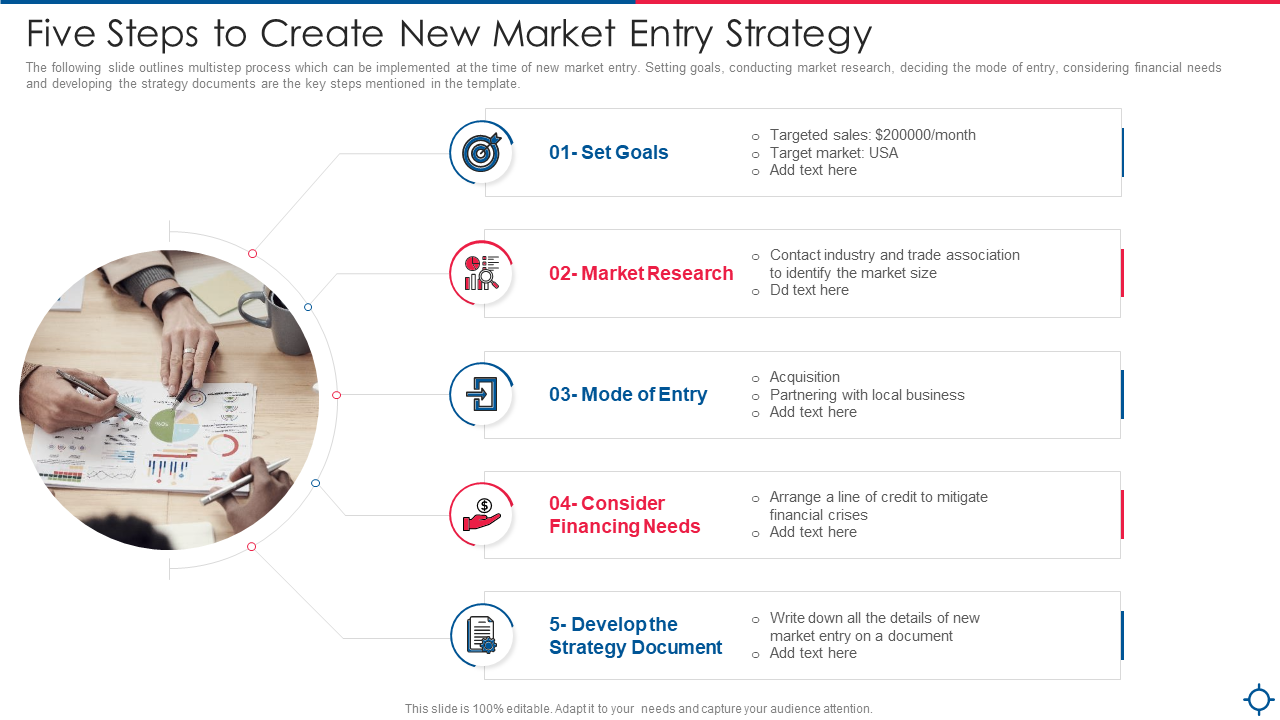
In today’s competitive real estate landscape, effectively marketing your property is key to capturing the attention of potential buyers. A well-crafted marketing strategy can turn casual browsers into interested buyers, accelerating your sale process.
From eye-catching property listings to leveraging modern digital tools, there are numerous avenues to explore when promoting your home. Let’s dive into the essentials of marketing your property for a successful sale.
Creating Compelling Property Listings
To entice potential buyers, begin by crafting engaging property listings that highlight the unique features and selling points of your home. Use high-quality images and descriptive language to paint a picture of what life could be like in your property. Remember, the first impression is often the last impression, so make it count!
Utilizing Social Media in Real Estate Marketing
Social media platforms are powerful tools for reaching a wider audience. By sharing visually appealing posts and videos, you can showcase your property to a vast pool of potential buyers. Targeted ads and community groups can further enhance your reach, allowing you to connect with people actively looking for homes in your area.
Virtual Tours in Property Promotion
With the advent of technology, virtual tours have become a game-changer in real estate marketing. These tours provide potential buyers with a 360-degree view of your property, allowing them to explore each room from the comfort of their home. This immersive experience can significantly increase interest and engagement.
Key Marketing Channels
When it comes to marketing your property, diversifying your approach is essential. Here are some key marketing channels to consider:
- Online real estate platforms
- Social media
- Email marketing
- Local newspapers and magazines
- Open houses and virtual events
- Real estate agent networks
“The art of marketing is the art of brand building. If you are not a brand, you are a commodity. Then price is everything and the low-cost producer is the only winner.” – Philip Kotler
Negotiation Tactics for Sellers
In the thrilling world of real estate, mastering negotiation is your golden ticket to a successful house sale. By sharpening your negotiation skills, you’ll not only secure better deals but also sail through the selling process with confidence. Let’s dive into the art of negotiation and explore tactics that can turn potential buyers into definite ones.
Understanding and applying effective negotiation techniques can be the difference between a good sale and a great one. Whether it’s setting the tone for discussions, managing counteroffers, or navigating through common negotiation scenarios, being prepared is key. Here’s how you can finesse your way to a successful house sale.
Effective Negotiation Techniques
As a seller, your negotiation strategy should be as strong as the foundations of your house. Preparation is the cornerstone of any successful negotiation. Start by doing your homework: know your local market, understand the buyer’s position, and identify your non-negotiables. Active listening will also play a crucial role, allowing you to understand the buyer’s needs and motivations. Always aim for a win-win outcome, which ensures both parties walk away satisfied.
Importance of Counteroffers
Counteroffers are your secret weapon in negotiation. They provide a platform for dialogue, allowing both parties to adjust their positions and move closer to an agreement. When you receive an initial offer, don’t rush to dismiss it. Instead, craft a counteroffer that reflects your desired price and terms, while showing willingness to compromise. This approach keeps the conversation open and demonstrates your flexibility.
Common Negotiation Scenarios
Let’s explore some typical negotiation scenarios and how to handle them with poise:
- The Low-Ball Offer: Respond with a counteroffer that stays firm on your price but highlights your home’s unique features.
- Multiple Offers: Leverage this scenario by notifying all interested parties of the competition, encouraging them to present their best offers.
- The Inspection Negotiation: If an inspection reveals issues, offer a repair credit or lower the price slightly to keep the deal alive.
Flowchart of a Typical Negotiation Process
Visualizing the negotiation process can help you chart your course from offer to agreement. Here’s a simple flowchart to guide you through:
| Step | Action |
|---|---|
| 1 | Receive Initial Offer |
| 2 | Evaluate Offer Details |
| 3 | Craft Counteroffer |
| 4 | Negotiate Terms |
| 5 | Accept or Decline Offer |
“Negotiation isn’t about winning, it’s about making a deal both parties are happy with.”
Closing the Sale Successfully
You’ve reached the pivotal moment of your house-selling journey: the closing. This is where all your efforts culminate in a successful sale.
Understanding the closing process is crucial to ensure everything proceeds smoothly, from signing the last document to handing over the keys.
Steps in the Closing Process
The journey to a successful closing is a carefully orchestrated series of steps. First, ensure all necessary documents are in order, including the purchase agreement, inspections, and loan paperwork. Next, engage a title company or attorney to handle the closing paperwork and funds distribution. The final walkthrough is also crucial, allowing buyers to inspect the property one last time before closing.
- Review and sign the closing disclosure.
- Coordinate with the title company for document preparation.
- Attend the final walkthrough.
- Sign all necessary documents on closing day.
- Transfer ownership and keys to the buyer.
Common Obstacles and Overcoming Them
Despite thorough preparation, obstacles may arise during closing. Financial issues, such as buyer financing falling through, can derail a sale. To mitigate this, verify buyer pre-approval and stay in close contact with lenders. Title issues might surface; resolving any liens or disputes promptly with professional assistance can prevent delays.
- Verify buyer financing status early.
- Address title discrepancies with a title company.
- Prepare for potential negotiation of final terms.
Tips for a Smooth Transaction
Ensuring a seamless closing requires meticulous attention to detail and proactive communication. Start by clearly communicating with all involved parties, including the buyer, agents, and attorneys. Keep an open line for resolving last-minute concerns, and have a contingency plan to address unexpected delays or requests.
“Preparation and communication are the keystones of a smooth closing process.”
Checklist for Finalizing a House Sale
To ensure no detail is overlooked, use this comprehensive checklist as you approach closing day:
- Confirm closing date and time with all parties.
- Prepare and review all necessary documents.
- Ensure all repairs and contract terms are fulfilled.
- Conduct the final property walkthrough.
- Bring identification and necessary funds to closing.
- Transfer home utilities to the buyer’s name.
- Celebrate the successful sale of your home!
Summary
As you close the chapter on selling your home, remember that each step is an investment in your future success. With the strategies artikeld in this guide, you’re equipped not only with practical tools but also with the confidence to negotiate and finalize the sale with finesse. May your journey through the real estate market be as smooth as it is rewarding, and may the next chapter of your life begin with triumph and excitement.

