Are you ready to turn your real estate dreams into reality? Whether it’s cashing in on that well-timed investment or simply moving on to your next chapter, selling your home swiftly and profitably is within reach. In today’s ever-evolving real estate market, staying informed and strategic is your ticket to success.
Imagine the feeling of receiving multiple offers and choosing the best fit, all while maximizing your profits. With expert strategies, you can navigate the complexities of the real estate world with confidence and ease. Prepare to dive into the ultimate guide for selling your home quickly and lucratively, turning that “For Sale” sign into a “Sold” one faster than you might expect.
Understanding the Real Estate Market
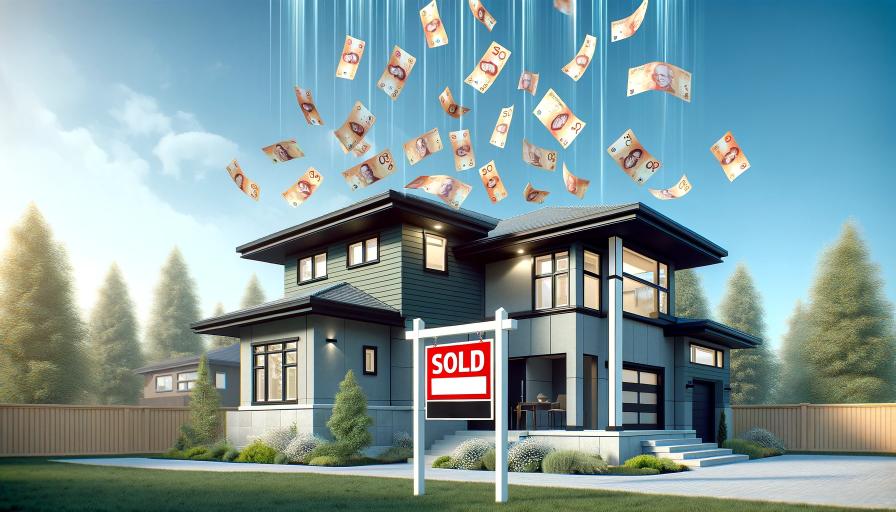
Diving into the real estate market is akin to navigating a bustling city. Each twist and turn offers new opportunities or challenges, and understanding the market is key to making informed decisions. Let’s explore how market trends shape property sales and pricing.
Market trends are the pulse of the real estate world. They dictate not only the speed at which properties sell but also the prices they command. Recognizing these trends allows sellers to time their sales strategically, optimizing both speed and profitability. With insights into current market conditions, sellers can position themselves advantageously in the competitive arena of property sales.
Impact of Market Trends on Property Sales and Pricing
Market trends are driven by a myriad of factors, from economic shifts to seasonal changes. Rising demand often leads to a seller’s market, where properties sell quickly and at higher prices. Conversely, a decline in demand can result in a buyer’s market, characterized by slower sales and reduced prices.
In major metropolitan areas, current data indicates a robust market with increasing buyer interest, particularly in urban hubs like New York City and San Francisco. Here, the economic recovery and low interest rates have spurred a surge in property acquisitions.
Current Market Conditions in Major Metropolitan Areas
Understanding the current landscape of major cities can shed light on broader market dynamics. Let’s take a look at an overview:
| City | Market Type | Average Time on Market | Price Trends |
|---|---|---|---|
| New York City | Seller’s Market | 45 Days | Rising |
| San Francisco | Seller’s Market | 30 Days | Stable |
| Chicago | Buyer’s Market | 60 Days | Declining |
Local Economic Factors Influencing Property Values
Local economies are the engines that drive property values. When a region thrives financially, so too do its property values. Job growth, infrastructure development, and consumer confidence are pivotal in enhancing local real estate appeal.
In cities experiencing economic booms, property values can soar as new industries take root, drawing in a more prosperous workforce. Conversely, areas facing economic hardships may witness declining property values as demand wanes.
Comparison of Buyer’s vs. Seller’s Markets
The dynamics between buyer’s and seller’s markets are crucial in understanding real estate transactions. Here’s a quick comparison:
| Market Type | Characteristics | Seller Strategy | Buyer Strategy |
|---|---|---|---|
| Buyer’s Market | High Inventory, Longer Time on Market | Competitive Pricing | Negotiation Leverage |
| Seller’s Market | Low Inventory, Quick Sales | High Pricing | Fast Decision Making |
“A well-informed seller is a step ahead in the real estate game.”
Pricing Your Home Accurately
Setting the right price for your home is both an art and a science. A well-priced home attracts buyers quickly and can lead to a swift and profitable sale.
To achieve this, homeowners need to understand the dynamics of the market, the unique features of their property, and the comparative landscape.
Strategies for Setting a Competitive Asking Price
The key to setting a competitive asking price is to position your home strategically in the market. Consider pricing slightly below the market value to generate interest and potentially spark a bidding war. Alternatively, align with the market value to appeal to buyers who are looking for a fair deal.
Conducting a Comparative Market Analysis
A Comparative Market Analysis (CMA) is your secret weapon in understanding the market. Examine recent sales in your area, focusing on homes that are similar in size, condition, and location to yours. This analysis provides a data-driven foundation for your pricing strategy, ensuring you don’t overprice and scare off potential buyers or underprice and lose potential profit.
Common Pricing Mistakes and How to Avoid Them
Many sellers fall into the trap of overpricing their homes in hopes of negotiating down. This can result in prolonged time on the market, making your listing stale. Avoid inflated prices and instead focus on realistic expectations. Another mistake is ignoring the advice of your real estate agent, who brings invaluable market insights.
Utilize online property valuation tools to get a sense of your home’s worth, but remember these are just starting points. Here is a comparison of some popular tools:
| Tool | Features | Accuracy |
|---|---|---|
| Zillow Zestimate | Automated valuation using public data | Moderate |
| Redfin Estimate | Data-driven estimates with local MLS information | High |
| Realtor.com | Combines automated and agent-provided data | Moderate to High |
“Pricing isn’t about what you think your home is worth; it’s about what buyers are willing to pay.”
Avoid these pitfalls by staying informed and flexible, adjusting your price according to feedback and market changes.
Preparing Your Home for Sale
Transforming your property into a buyer’s dream isn’t just about luck. It’s about strategic enhancements and thoughtful presentation. Preparing your home for sale is a vital step in ensuring a quick and profitable transaction.
Let’s dive into the essential strategies that will make your home stand out on the market, from staging and improvements to the latest in real estate marketing techniques like virtual tours.
Step-by-Step Guide for Staging Your Home
Staging a home is an art and science combined. It involves arranging furniture, decor, and the overall layout to highlight your home’s strengths. Here’s how you can effectively stage your home:
- Depersonalize: Remove personal items like family photos and unique artwork to help buyers visualize their own life in the space.
- Neutralize: Repaint brightly colored walls with neutral tones that appeal to a broader audience.
- Maximize: Arrange furniture to create a sense of space and functionality in every room.
- Accessorize: Use plants, mirrors, and simple decorations to add warmth and style without clutter.
- Illuminate: Ensure each space is well-lit using a mix of natural light and strategically placed lamps.
Cost-Effective Home Improvements That Increase Value
Improving your home’s value doesn’t have to break the bank. Here are some budget-friendly updates that can make a significant impact:
- Replace old fixtures with modern, energy-efficient alternatives.
- Refinish kitchen cabinets and replace outdated hardware for a fresh look.
- Enhance curb appeal with landscaping – a well-kept lawn, colorful plants, and a clean driveway.
- Install a smart thermostat to attract tech-savvy buyers.
Checklist for Decluttering and Cleaning Before Showings
A clean and tidy home speaks volumes to potential buyers. Use this checklist to ensure your home is in top condition before each showing:
- Clear countertops and tables of unnecessary items.
- Organize closets and storage spaces – buyers will look.
- Deep clean carpets and floors, ensuring there are no stains or debris.
- Dust all surfaces, including furniture and decor.
- Ensure bathrooms and kitchens are spotless and fresh-smelling.
Using Virtual Tours and Professional Photography
Reality is often perceived first through the lens. To capture the heart of potential buyers even before they step foot in your home, consider these advanced marketing tools:
“A picture is worth a thousand words, but a virtual tour is worth a thousand pictures.”
Professional photography and virtual tours provide a polished, immersive experience that highlights your home’s best features. Invest in a professional photographer to capture high-quality images of your home’s interior and exterior. Complement these with a 3D virtual tour, allowing potential buyers to explore your property from the comfort of their own homes.
Effective Marketing Techniques
Dive into the dynamic world of real estate marketing, where strategy meets creativity, and discover how to make your property stand out in a crowded market. The right marketing techniques can make all the difference in securing a swift and profitable sale.
In today’s digital age, leveraging online platforms is no longer optional—it’s a necessity. From engaging social media strategies to in-person events that captivate potential buyers, effective marketing is a multifaceted endeavor.
The Role of Digital Marketing in Real Estate Sales
Digital marketing has revolutionized the way properties are sold, offering unparalleled reach and engagement. By tapping into online platforms, sellers can connect with a wider audience than ever before. A strong digital presence not only attracts more buyers but also builds credibility and trust.
Utilize -optimized listings to ensure your property appears in relevant searches. High-quality photos and virtual tours can draw buyers in, giving them a real sense of the home from the comfort of their own devices. Email campaigns with personalized touches keep potential buyers informed and engaged.
Designing a Social Media Marketing Plan for Home Sellers
A cohesive social media strategy can significantly boost your property’s visibility. The key is to create engaging, shareable content that resonates with your target audience.
- Identify Your Audience: Tailor your content to speak directly to the demographics most likely to purchase your home.
- Platform Selection: Use platforms like Instagram for stunning visuals, Facebook for community engagement, and LinkedIn for professional networking.
- Content Calendar: Plan weekly posts focusing on different aspects of your home—features, neighborhood highlights, and testimonials.
- Engagement Techniques: Host live virtual tours and Q&A sessions to interact with potential buyers in real-time.
Best Practices for Open Houses and Other In-Person Events
Hosting open houses is a time-honored tradition in real estate that still holds significant value. These events provide prospective buyers with an unfiltered look at the property and an opportunity to imagine themselves living there.
Focus on creating an inviting atmosphere. Ensure the home is clean, well-lit, and staged to highlight its best features. Provide refreshments and informative brochures detailing the property’s unique selling points. Engage visitors with a friendly, knowledgeable guide to answer questions and build rapport.
The Importance of Professional Networking in Attracting Buyers
Networking is a powerful tool in the real estate professional’s arsenal. Building connections with other industry professionals can open doors to potential buyers and valuable insights.
“Your network is your net worth.”
Attend industry events and conferences to meet agents, brokers, and other real estate professionals. Join local business groups and real estate associations to stay informed about market trends and opportunities for collaboration. Sharing referrals can also be a mutually beneficial practice that expands your reach.
Negotiating Offers and Closing the Deal
When it comes to selling your home quickly and at a price that meets your expectations, the art of negotiation is crucial. Understanding how to strategically handle offers is key to securing a successful sale.
Mastering negotiation tactics not only ensures you get the best price but also helps in navigating any potential obstacles with confidence.
Key Negotiation Tactics for Maximizing Sale Price
Successful negotiation starts with clarity about your goals and a solid understanding of the buyer’s position. One proven tactic is to establish a competitive environment among potential buyers, encouraging them to offer their best prices.
- Highlight unique selling points of your home to justify your asking price.
- Be prepared to make counteroffers that reflect the value of your property.
- Set deadlines to create a sense of urgency among buyers.
- Consider offering incentives, such as covering closing costs, to sweeten the deal.
Common Contingencies and Their Impact on Offers
Contingencies can significantly influence the attractiveness of an offer. Being aware of these can help you decide which offers to focus on. Here’s a comparison of common contingencies:
| Contingency Type | Impact on Offer |
|---|---|
| Inspection Contingency | Buyer can withdraw if inspection reveals issues, which might delay closing. |
| Financing Contingency | Offer depends on buyer securing a loan, posing a risk if financing falls through. |
| Appraisal Contingency | If property appraises lower than the offer, it may require renegotiation. |
The Closing Process: Documentation Essentials
The closing process is the final step in making your sale official. It involves various documents that both parties must review and sign. These documents include the deed, closing disclosure, and title policy.
- Deed: Transfers ownership from seller to buyer.
- Closing Disclosure: Artikels loan terms and financial details.
- Title Policy: Protects against future claims on the property.
Handling Multiple Offers Effectively
Receiving multiple offers can be both exciting and overwhelming. To manage this situation effectively:
“Be transparent with all potential buyers about the multiple-offer scenario to maintain fairness and trust.”
- Assess each offer not just on price, but also on terms and contingencies.
- Communicate with buyers’ agents promptly to keep the process efficient.
- Consider asking for “best and final” offers to make decision-making easier.
Legal Considerations and Paperwork
Embarking on the journey to sell your home is an exhilarating experience, but it’s essential to navigate the legal intricacies with precision. Understanding the necessary legal documents and the roles of professionals can make the process seamless and stress-free.
From ensuring all paperwork is meticulously prepared to guaranteeing compliance with local regulations, these legal aspects are crucial in achieving a successful sale. Let’s dive deeper into the key components that will safeguard your transaction.
Essential Legal Documents Required for Selling a Home
When selling a home, a variety of legal documents are necessary to ensure a transparent and lawful transaction. The purchase agreement is paramount as it artikels the terms and conditions agreed upon by both the buyer and the seller. Additionally, you will need to provide a deed which transfers the ownership rights of the property. Moreover, having a title report ensures there are no unknown encumbrances or liens on the property.
- Purchase Agreement
- Property Deed
- Title Report
- Sellers’ Disclosure Forms
- Settlement Statement
The Role of Real Estate Attorneys and Agents
Real estate transactions can be complex, and having the right professionals by your side is invaluable. A real estate attorney can provide critical guidance on legal obligations, help draft contracts, and ensure that all closing documents are in order. On the other hand, a real estate agent brings expertise in market trends, assists in setting competitive prices, and facilitates negotiations between parties. Together, they create a formidable team that advocates for your best interests.
Disclosure Requirements for Sellers
“Sellers must disclose any known defects or issues with the property to avoid legal repercussions later.”
Disclosure requirements are a pivotal part of the selling process. Sellers are legally obliged to reveal any known problems that could affect property value or require repair. This ranges from structural issues, past water damage, to the presence of potentially harmful substances such as asbestos. Transparency in these matters not only builds trust with prospective buyers but also protects you from potential legal disputes in the future.
Steps for Ensuring a Smooth Title Transfer
Ensuring a smooth title transfer is the final step in cementing your property sale. It begins with a title search to verify ownership and discover any liens or claims. Following this, a title insurance policy is often purchased to protect against unforeseen title defects. The final step involves signing the deed in front of a notary, certifying the transfer of ownership. Careful attention to these steps will guarantee a hassle-free transfer and provide peace of mind for both seller and buyer.
Final Summary
In the art of selling your home, knowledge is your most powerful ally. With the right strategies, from pricing and staging to marketing and negotiation, you can transform the selling process into a seamless and rewarding experience. Embrace these expert tips, and watch as your property not only sells fast but does so with the profitability you’ve hoped for. Here’s to a successful sale and a bright new beginning!

